

How Early Bees Is Redefining Quiet Luxury in London’s Coffee Culture
There is a particular kind of restraint that London rarely rewards. The city moves on appetite — for noise, for novelty, for the next thing before the current thing has cooled. Early Bees Coffee, with three addresses across Holborn, Old Street and Bank, has chosen not to compete with that energy. It has chosen to outlast it.
Founded by Celal Çay and Tarik Gunturk — one rooted in premium London hospitality and real estate, the other in the natural food industry through Eğriçayır, one of Turkey’s most respected organic honey producers — Early Bees arrives not as a trend but as a thesis. Its argument is simple, and increasingly difficult to find: that what we put in our bodies should come from somewhere real.
Honey as Manifesto
The decision to centre a London coffee concept around honey is, at first glance, unexpected. On closer examination, it is inevitable.
At a moment when specialty café culture has grown fluent in the language of syrups, concentrates and flavour architecture, Early Bees steps back. Honey — ancient, unengineered, produced not by industry but by nature — functions here less as an ingredient than as an editorial position. It is a rejection of artifice dressed as sophistication.
The Honey Matcha and the Honey Cloud Latte have become the brand’s signatures for this reason precisely: they are soft where others are sharp, considered where others are constructed. The sweetness recedes. The quality remains.
The coffee itself is single origin from Huila, Colombia — a region whose altitude and terroir yield cups of unusual elegance: aromatic, naturally sweet, structurally clean. It is the kind of coffee that needs nothing added, which is, of course, the point.
Spaces That Do Not Rush You
Early Bees’ interiors operate on a frequency that most London hospitality has forgotten how to broadcast. Natural materials, minimal interference, a pace of service that does not perform urgency because it has no need to.
“We wanted to create a place where people could enjoy without feeling rushed.” In a city where even leisure is scheduled, this is closer to a radical act than a design choice.
The bee — the brand’s central visual motif — carries its meaning carefully: community, craft, the unhurried intelligence of natural systems. It is not decoration. It is a value statement worn quietly.
On Provenance and Permanence
Early Bees sources from local London apiaries as a matter of principle, not marketing. The founders speak of supporting urban beekeeping not as a brand pillar but as a genuine commitment — an understanding that the ecosystem sustaining their product is worth protecting.
Celal Çay’s background at Eğriçayır has informed this sensibility at every level. The standards applied to organic honey production — traceability, seasonality, the refusal to compromise on origin — translate directly into how Early Bees approaches every element of its supply chain. Provenance is not a story told on a menu board. It is the operating logic of the place.
What Permanence Looks Like
Three locations. A growing clientele. And an ambition, stated quietly but with evident conviction, to expand internationally without diluting what makes the concept worth expanding.
“We would love for Early Bees to be known not just for coffee, but for a broader philosophy of hospitality — better ingredients, responsible sourcing, natural sweetness, and spaces where people genuinely enjoy spending time.”
In a landscape littered with concepts that arrived fully formed and dissolved within a season, Early Bees is building something more difficult and more interesting: a point of view that compounds. The honey, in this sense, is the most honest thing about them.
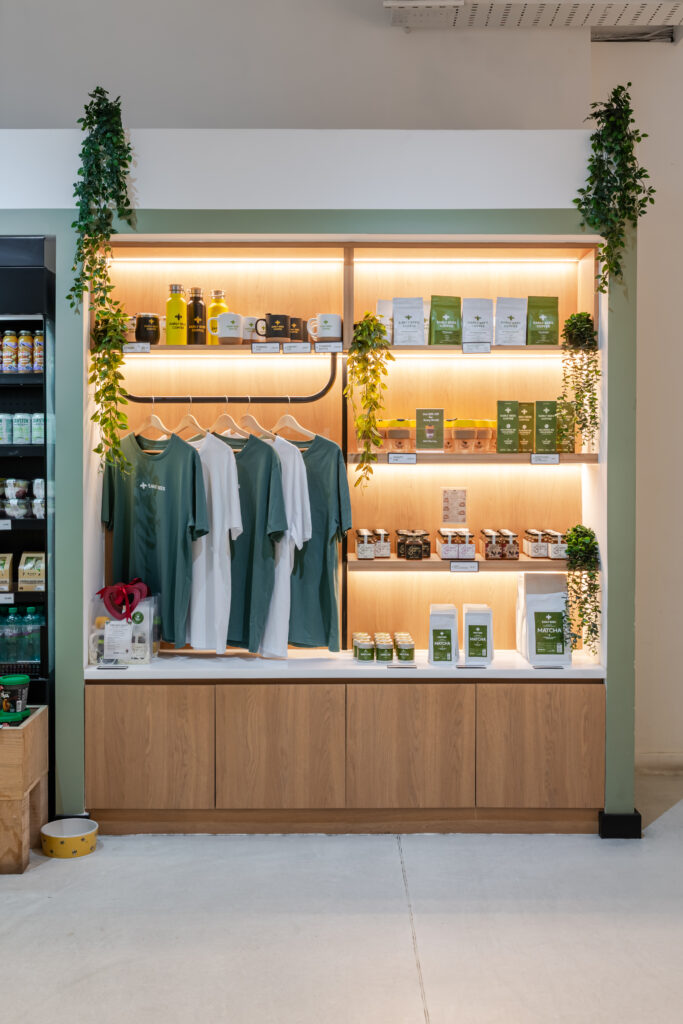
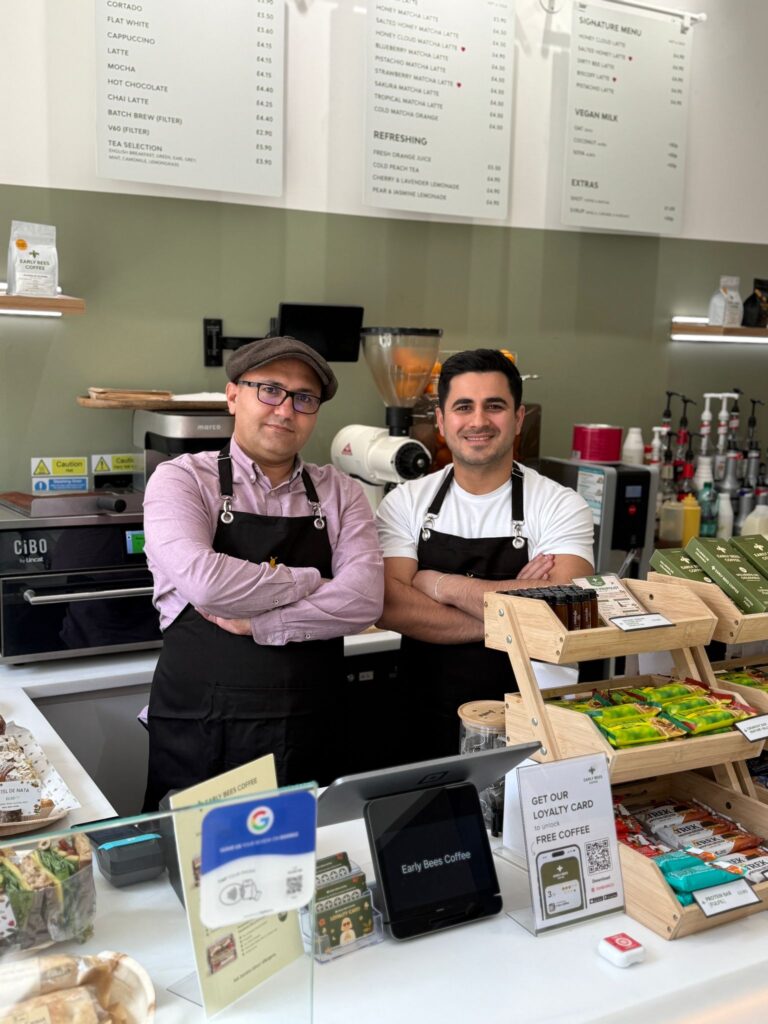
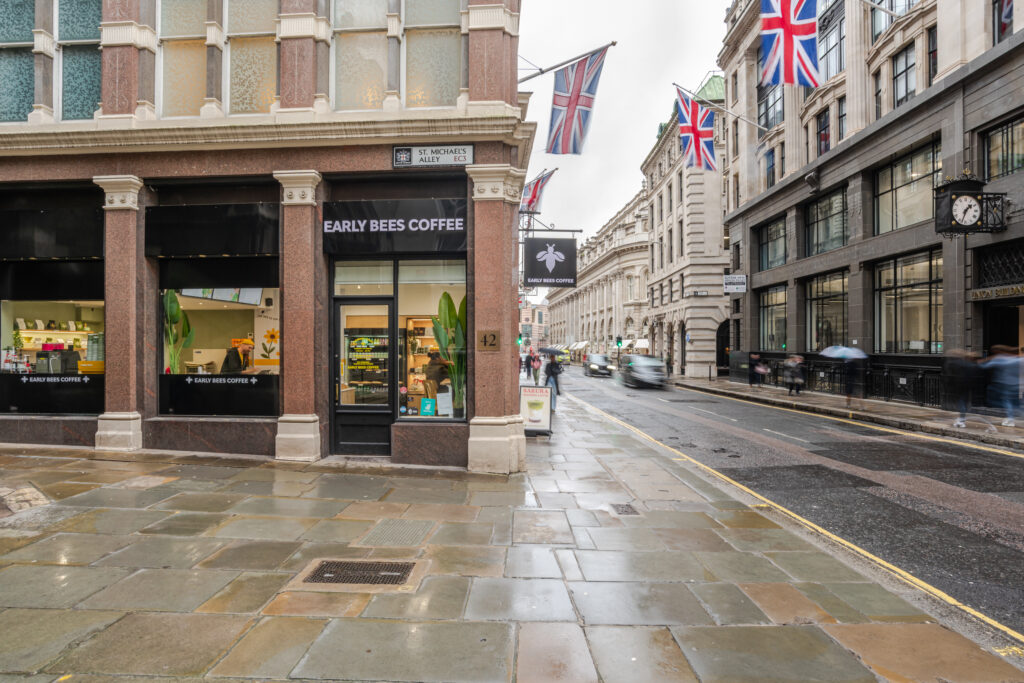
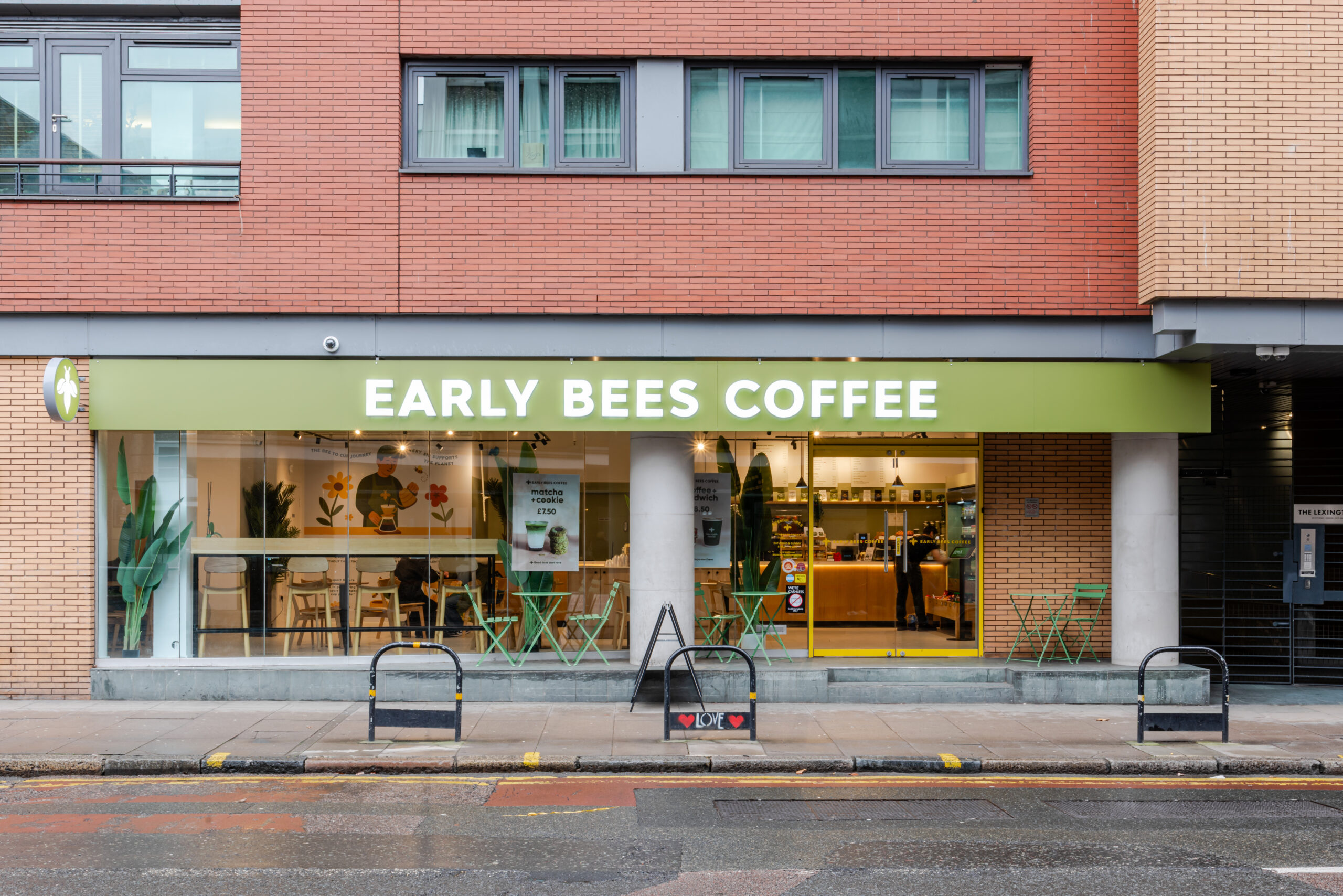
Early Bees Coffee operates across Holborn, Old Street and Bank, London