

Article Meta
Five years ago, buying vintage fashion was a nostalgic indulgence—a way to access heritage brands at a fraction of retail price. Today, it’s a sophisticated investment strategy. Rare vintage pieces appreciate faster than contemporary luxury goods. A 1970s Hermès bag in pristine condition commands prices that rival modern production. A deadstock Chanel jacket from the 1980s—never worn, tags still attached—sells for double or triple its original retail price.
This isn’t sentiment. This is mathematics. This is the moment when scarcity, craftsmanship, and time converge to create genuine value.
The Shift: From “Secondhand” to “Rare Vintage”
The language matters. Ten years ago, buying a pre-owned designer bag was called “buying used.” Today, it’s called “acquiring vintage.”
This linguistic shift reflects a deeper psychological and economic transformation. Vintage fashion has been repositioned from a budget-conscious option to a sophisticated collecting practice—one that signals taste, knowledge, and intentionality.
Several factors drove this inversion:
First, sustainability consciousness. Climate-aware consumers began viewing new purchase as wasteful when exceptional pieces already existed. Wearing a 1960s Chanel suit isn’t settling for less; it’s making an environmental choice. This reframing elevated vintage from “hand-me-down” to “responsible luxury.”
Second, the rise of luxury resale platforms. Vestiaire Collective, Grailed, TheRealReal, and Rebag transformed vintage shopping from digging through consignment stores to scrolling a curated, authenticated marketplace. Friction decreased; access increased; legitimacy was established through platform reputation and authentication guarantees.
Third, the democratization of knowledge. Social media, particularly Instagram and TikTok, created communities of collectors who educated followers on authentication, rarity, and investment potential. A 28-year-old could now possess encyclopedic knowledge about 1990s Prada that only specialized dealers possessed in 2010.
Fourth, the financial case became undeniable. Data from resale platforms showed that certain vintage pieces appreciated 30-50% over five years, outpacing contemporary luxury goods. A €2,000 investment in a rare 1980s Hermès Kelly in perfect condition became worth €3,200-4,000 by 2023. The math was simple: vintage appreciated; new depreciates.
Finally, exclusivity became currency. In an age of mass production and algorithmic recommendations, owning something that literally cannot be re-purchased has profound appeal. A vintage Hermès from the 1970s isn’t just a bag. It’s a finite piece of fashion history. Once sold, it’s gone. You can’t go back and buy it again.
This exclusivity paradoxically created a luxury market where “old” was more desirable than “new.”
The Authentication Crisis: Knowing What’s Real
The explosion of vintage enthusiasm created an obvious problem: how to verify authenticity in a market where fakes are increasingly sophisticated and original documentation often lost to time?
Authentication is now a specialized skill—one that commands premium pricing and significant liability for dealers.
The Authentication Timeline
For major luxury brands (Hermès, Chanel, Louis Vuitton, Gucci), authentication involves:
Visual inspection: Serial numbers, stitching patterns, hardware quality, material consistency. Experienced authenticators can often identify a fake in seconds based on accumulated knowledge of brand standards across decades.
Historical research: Understanding when specific design elements were used, when production shifted, which factories produced which pieces. A 1985 Hermès bag should have specific hardware, specific leather quality, specific stitching patterns. Deviations indicate either rarity (e.g., a special order) or inauthenticity.
Material analysis: Luxury brands use specific materials in specific eras. Hermès used specific leather suppliers. Chanel used specific fabrics. Deviations are red flags.
Expert examination: For high-value pieces, professional authentication can include UV light examination, leather chemical analysis, and hardware metallurgy testing. Premium authentication for a single piece costs €200-500 and takes 1-2 weeks.
The Economics of Fakes
The financial incentive to produce high-quality fakes is extraordinary. A fake Hermès Kelly bag costs perhaps €50-100 to produce in bulk. It sells for €2,000-3,000. The margin is enormous.
Consequently, counterfeiters have become increasingly sophisticated. The quality difference between a fake and authentic 1980s Chanel jacket—to an untrained eye—can be minimal. The stitching looks similar. The fabric feels similar. The hardware appears correct.
Yet, to an experienced authenticator, the differences are immediately obvious. The weight is subtly wrong. The stitch length doesn’t match the era. The hardware patina doesn’t match the age of the leather.
This is why authentication is such a profitable business. Platforms like TheRealReal employ teams of authenticators specifically trained to identify counterfeits. They charge 30% commission on sales—a significant fee justified by the liability protection and authentication guarantee they provide.
Navigating Authentication
For buyers, authentication strategy matters:
For pieces under €1,000: Visual inspection by experienced resellers, platform verification (Vestiaire Collective has authentication experts). Risk is manageable.
For pieces €1,000-5,000: Request professional authentication before purchase. Cost (€200-300) is justified by the value at stake.
For rare pieces over €5,000: Demand authentication from specialized vintage authentication houses. Some dealers offer money-back guarantees if authentication later proves the piece is counterfeit.
Red flags indicating potential counterfeits:
- Price significantly below market comparable
- Serial numbers don’t match production timeline
- Stitching inconsistency or imprecision
- Materials feel slightly “off” (weight, texture, sound)
- Missing original packaging or documentation
- Seller cannot provide detailed provenance
- Hardware weight and patina don’t match age claims
Deadstock: The Holy Grail of Vintage
For serious collectors, deadstock is the ultimate acquisition: original-condition merchandise, never worn, often still bearing original tags and packaging—essentially new pieces that are 20-40 years old.
Deadstock represents the intersection of rarity and condition that creates extraordinary value.
Why Deadstock Exists
Several scenarios create deadstock:
Overstock from closed boutiques: A luxury brand opens a boutique, orders stock, and the boutique closes. Remaining inventory languishes in warehouses. Hermès boutique in a European city closes in 1992; a single drawer of silk scarves never sold remains undiscovered for 30 years.
Warehouse discoveries: Fashion houses clear warehouses and discover stock from decades prior. In 2018, a warehouse cleaning at a Chanel facility in France uncovered cases of 1980s costume jewelry. Never sold, never worn, still in original packaging.
Wholesaler stock: Department stores and wholesalers ordered beyond what they could sell. Excess inventory was stored, forgotten, then discovered during estate sales or business liquidations.
Import stock: Vintage pieces shipped internationally sometimes never made it past customs or sat in warehouses awaiting documentation. Decades later, the crates are opened.
The Deadstock Premium
Deadstock commands 200-400% premium over worn vintage of the same era.
A 1980s Hermès scarf in excellent worn condition sells for €400-600. The identical scarf, deadstock with original tags, sells for €1,200-1,800.
The premium reflects multiple factors:
- Condition rarity: Deadstock pieces in perfect condition are inherently scarcer than worn pieces
- Proof of authenticity: Original tags and packaging are harder to counterfeit
- Emotional appeal: Owning something that sat unworn for 40 years has romantic appeal
- Investment appreciation: Deadstock appreciates faster than worn vintage because condition degradation is no longer a concern
Famous Deadstock Discoveries
Hermès Silk Scarves (2010s): A Paris estate sale uncovered a closet of 50+ Hermès scarves from the 1970s-1980s, all unworn, all original packaging. Estimated value at estate: €2,000. Market value when authenticated and sold on resale platforms: €15,000+.
Chanel Costume Jewelry (2018): Warehouse discovery in France of 1980s Chanel costume jewelry, unopened factory boxes. Original cost was perhaps €20-30 per piece. Resale value: €200-400 per piece, deadstock. The discovery was estimated to contain €100,000+ in inventory value.
Yves Saint Laurent Archives (2012): A vintage dealer in Paris acquired a collection from a former YSL production assistant containing rare 1970s prototypes and samples—never-worn pieces that never entered commercial production. A single jacket authenticated as a prototype sold for €18,000.
Global Vintage Markets: Where to Source
Sophisticated vintage sourcing requires understanding where rare pieces concentrate and how to access them.
Paris
Paris remains the epicenter of European vintage fashion. The concentration of heritage brands, estate sales, and established dealers creates unparalleled supply.
Key locations:
- Le Bon Marché (vintage section) — Curated high-end vintage
- Marais district — Concentrated vintage boutiques, particularly around Rue de Turenne
- Estate sale houses — Drouot (major auction house), lesser-known auction houses in outer arrondissements
- Independent dealers — Scattered throughout, often by appointment only
Access strategy: Establish relationships with Paris-based dealers. They have first access to inventory before it reaches platforms. Building trust can unlock access to pieces never listed publicly.
London
London’s vintage market emphasizes British and European heritage brands.
Key locations:
- Portobello Road Market — Weekend vintage market, mixed quality
- Grays Antique Market — Multi-dealer space, higher-end inventory
- Dover Street Market Vintage — Curated, authenticated, premium pricing
- Independent dealers — Concentrated in Notting Hill, Shoreditch, Brick Lane
Access strategy: Attend London Fashion Week vintage previews. Dealers often preview new inventory before public sale.
New York
New York emphasizes American heritage brands (Coach, Ralph Lauren, etc.) and international pieces.
Key locations:
- Grailed.com — Online-first but hosts in-person events
- Vestiaire Collective — Online platform, serves all markets
- Buffalo Exchange — Budget-friendly, inconsistent quality
- Independent dealers — SoHo, Williamsburg, concentrated around Fashion District
Access strategy: Build relationships with major resale platforms. Premium dealers often sell to platforms first, creating secondary market access.
Tokyo
Tokyo has become a major vintage epicenter, with Japanese buyers commanding premium prices for rare pieces.
Key locations:
- Harajuku — Vintage boutiques concentrated in specific alleyways
- Shimokitazawa — Vintage district with 100+ dealers
- Ragtag — Major Japanese vintage retailer, multiple locations
- Online via Japanese platforms — Rakuten, Yahoo Auctions
Access strategy: Japanese buyers pay higher prices, creating premium supply. For sourcing, work with Japanese agents or dealers who have access to Japanese market inventory.
Milan
Milan serves as headquarters for Italian luxury and emerging designer vintage.
Key locations:
- Brera district — Vintage boutiques, Armani and Italian designers
- Ticinese — Concentrated vintage dealers
- Independent ateliers — Vintage pieces from local heritage designers
Access strategy: Establish dealer relationships in Milan. Italian vintage is less marketed globally, creating inefficiency opportunities for knowledgeable buyers.
Online Platforms (Global Access)
Vestiaire Collective
- Largest global vintage marketplace
- 15+ million pieces
- International shipping
- Authentication provided
- 20% commission
Grailed
- Menswear-focused
- Streetwear and designer vintage
- Community-driven (user reviews)
- 8% commission
TheRealReal
- Luxury-focused
- Premium authentication
- Curated inventory
- 30% commission
Rebag
- Handbag-specific
- Instant pricing
- Quick turnaround
- 40-50% payout to sellers
Vestiaire Collective, Grailed, TheRealReal, and Rebag collectively represent over 90% of global vintage transaction volume.
Authentication Profiles: The Dealers
To understand modern vintage sourcing, you must understand the dealers—the people who identify rare pieces and bring them to market.
Sophie Maréchal — The Parisian Scout
Sophie operates from Paris, specializing in 1970s-1980s Hermès and Chanel. She doesn’t maintain a physical storefront; instead, she works by appointment and through WhatsApp previews.
“I spend 70% of my time sourcing,” she tells me via video call. “Estate sales, dealer networks, auctions. The remaining 30% is authentication, photography, and selling through Vestiaire.”
Her sourcing method is old-school: personal relationships, estate sale catalogues, connections with Paris-based families selling inherited collections.
“The best pieces never make it to public auction,” she explains. “They go to people with established relationships. I’ve spent 15 years building those relationships.”
Her specialization in pre-1990 Hermès creates a niche where her expertise is unquestionable. A piece she authenticates commands premium pricing because buyers trust her certification.
Pricing: She sources at 20-40% of projected resale value, then sells on Vestiaire at market rate, netting 50-60% commission after platform fees.
James Chen — The Deadstock Specialist
James sources across global markets, with particular focus on deadstock discoveries. He maintains relationships with auction houses, estate liquidators, and international dealers.
“Deadstock is inefficient,” James explains. “Most people pricing deadstock pieces don’t understand their market value. An estate liquidator in Tokyo might sell a deadstock Hermès scarf to a local dealer for €200, not realizing it’s worth €1,200 internationally.”
His method: Travel to markets where inventory is underpriced, authenticate carefully, and resell through premium platforms (TheRealReal, Vestiaire) that can reach international collectors willing to pay for deadstock condition.
He estimates he evaluates 500+ pieces monthly and sources perhaps 20-30. Turnaround: Source at €400-800, sell at €1,200-2,000.
Marcus Williams — The Investment Advisor
Marcus doesn’t source vintage himself. Instead, he advises ultra-high-net-worth clients on vintage acquisition as an investment strategy.
“Vintage fashion is a legitimate asset class,” he insists. “A €10,000 investment in carefully selected 1980s Hermès or Chanel should appreciate 8-15% annually, outpacing most equities with lower volatility.”
His process: Advise clients on brands and eras with documented appreciation, guide authentication, help build collections of 5-10 key pieces, monitor resale market to identify optimal selling moments.
For his clients, he’s identified vintage fashion as an alternative asset allocation—5-10% of net worth in liquid, appreciating vintage pieces.
Investment Potential: The Numbers
Systematic analysis of vintage fashion pricing reveals clear appreciation patterns.
Hermès (most reliable appreciation):
- 1970s Kelly or Birkin in excellent condition: €800-1,200 in 2018, €2,000-3,500 in 2024
- Appreciation: 150-200% over 6 years
- Annualized: 17-22%
Chanel (consistent appreciation):
- 1980s quilted jacket in excellent condition: €1,000-1,500 in 2018, €2,200-3,000 in 2024
- Appreciation: 100-120% over 6 years
- Annualized: 12-18%
Gucci vintage (volatile but positive):
- 1970s GG Monogram pieces: 50-150% appreciation, highly dependent on specific item
- Brand reputation rebounds inflate prices during positive cycles
Contemporary designer vintage (slower appreciation):
- 1990s Prada: 40-80% appreciation
- 2000s Tom Ford era: 30-50% appreciation
The Hedging Value:
Beyond appreciation, vintage fashion provides portfolio diversification:
- Low correlation with equity markets
- Tangible, wearable asset (not pure speculation)
- Liquidity through established resale platforms
- Emotional/aesthetic satisfaction alongside financial returns
A €100,000 vintage fashion portfolio might appreciate €12,000-18,000 annually while the pieces are actively worn—creating what financial advisors call “utilitarian appreciation.”
Drawbacks to consider:
- Condition degradation (wear and tear reduce value)
- Trend sensitivity (certain eras cycle in/out of favor)
- Liquidity timeline (selling takes 2-4 weeks on platforms)
- Authentication risk (counterfeits exist despite verification)
- Storage/conservation costs (proper care essential to maintain condition)
Styling Vintage with Contemporary: The Hybrid Approach
The most sophisticated contemporary style combines vintage and new pieces deliberately.
The formula:
Investment Vintage Piece (€2,000-8,000)
- Hermès bag or belt
- Chanel jacket
- Yves Saint Laurent dress
- Statement piece that anchors outfit
Contemporary Bridge Pieces (€500-1,500)
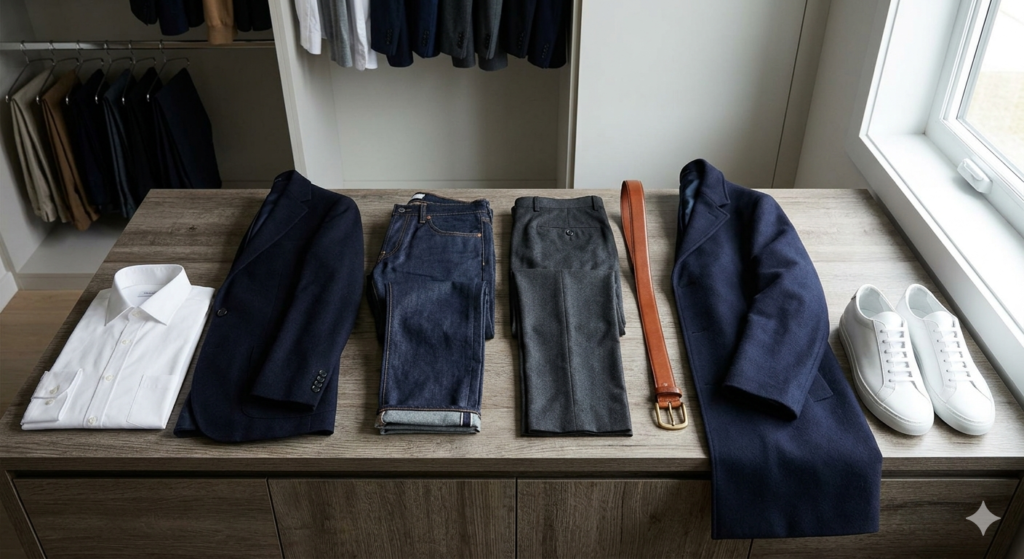
- Modern tailored trousers
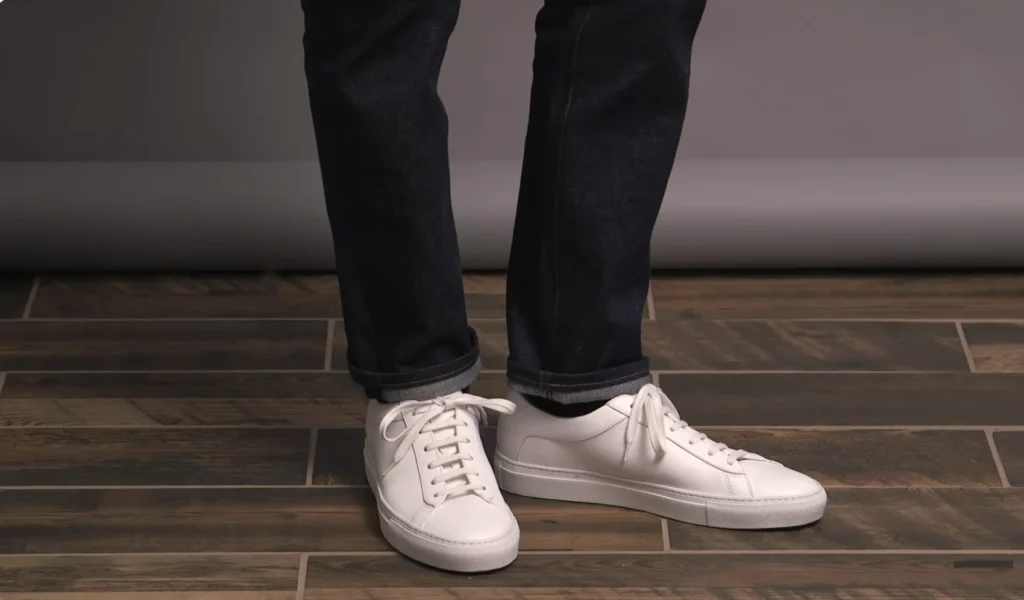
- Contemporary white shirt
- Minimalist basics
Result: An outfit that reads as sophisticated, individual, and intentional. The vintage piece provides character and history; the contemporary pieces provide modernity.
This hybrid approach accomplishes:
- Economic efficiency: €3,000-4,000 total investment creates luxury aesthetic
- Sustainability: Extends life of existing pieces rather than consuming new
- Authenticity: Reflects personal taste rather than trend-following
- Investment: Vintage piece appreciates; contemporary pieces are amortized over wearing time
The Future: When Vintage Becomes Mainstream
Five years ago, wearing vintage was a marker of either: budget consciousness or serious connoisseurship.
Today, vintage is simply understood as one option in a luxury fashion spectrum. A Hermès bag from 1980 is equivalent to a Hermès bag from 2024—both represent equivalent status and taste, just different narratives.
This normalization is accelerating. Major fashion platforms now feature “vintage” as a distinct category. Luxury brands themselves reference their heritage through vintage-inspired collections.
The implication: As vintage becomes mainstream, the appreciation premium likely narrows. Pieces will appreciate less dramatically once vintage is no longer a specialized knowledge domain.
This creates urgency for serious collectors: The best appreciation opportunity exists now—in the transition period between “niche” and “mainstream” status.
Within 5-10 years, vintage fashion investment will likely stabilize at 8-12% annual appreciation—still superior to new luxury depreciation but no longer the 15-25% returns currently available for specialized pieces.
The window for maximum appreciation is open, but narrowing.
Practical Guide: Your First Acquisition
If beginning your vintage fashion journey, follow this framework:
Step 1: Choose a foundation piece (€1,500-4,000)
- Must be Hermès, Chanel, or Yves Saint Laurent (most reliable appreciation)
- Must be in excellent condition (minimal wear)
- Should be a piece you’ll actually wear
- Authentication is non-negotiable
Step 2: Verify authentication (€200-500)
- For pieces above €2,000, invest in professional authentication
- Use specialized authentication houses, not casual reseller opinions
Step 3: Understand care requirements
- Leather conditioning annually
- Professional cleaning as needed
- Proper storage (dust bags, climate-controlled)
- Avoid harsh sunlight and humidity
Step 4: Monitor market value
- Track comparable sales on Vestiaire, TheRealReal, Grailed
- Understand which eras/pieces appreciate fastest
- Plan holding period (3-5 years minimum for meaningful appreciation)
Step 5: Consider complementary pieces
- Once you own one vintage investment piece, add 2-3 more
- Diversify across brands and eras
- Create a cohesive collection rather than random acquisition
Expected returns: €3,000 initial investment → €4,500-6,000 value in 5 years, assuming excellent care and selective acquisition.
Conclusion: The Economics of Permanence
Vintage fashion investment isn’t about speculation. It’s about recognizing that some objects, created with sufficient craftsmanship from superior materials, actually increase in value over time.
A Hermès bag from 1975 created with hand-selected leather and meticulous construction lasts 50 years. A contemporary mass-produced bag lasts 5 years. The longevity is real, measurable, and reflected in pricing.
What vintage fashion proves is that quality is economically rational. You can either buy ten new bags over fifty years, or one exceptional vintage bag that appreciates while you wear it.
The math is simple. The only question is whether you understand it.