

Article
Every Met Gala theme is a statement disguised as a dress code. “Heavenly Bodies” asked fashion to engage with religion. “Camp” asked it to laugh at itself. “Gilded Glamour” asked it to reckon with wealth.
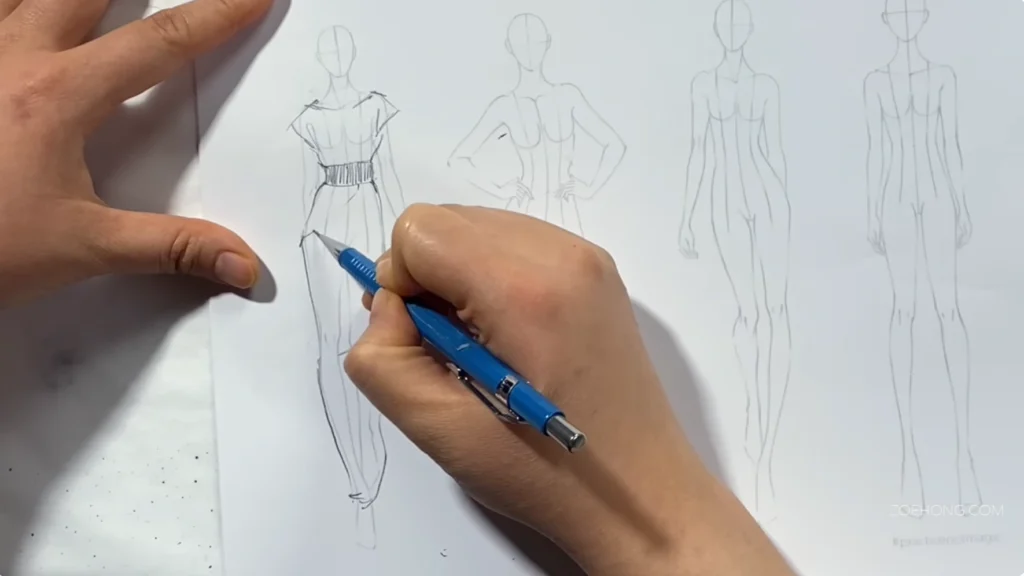
“Fashion is Art”—the 2026 dress code tied to the Costume Institute’s “Costume Art” exhibition—asked something more fundamental. It asked fashion to justify itself. To declare, publicly and expensively, whether clothing can transcend utility and achieve the status of art.
The answers revealed five distinct directions the industry is moving.
1. Craft as legitimacy.
Chanel reported 761 hours for Margot Robbie’s golden lamé gown. Schiaparelli disclosed 11,000 hours of embroidery for Kylie Jenner’s pearl illusion dress. Thom Browne’s creation for Chase Infiniti comprised 1.5 million individual sequins.
The message: Fashion earns the title of “art” through the same investment of human mastery that defines sculpture, painting, and architecture. The hours are the argument.
This signals a broader industry trend: transparency around craft as a luxury differentiator. Expect more houses to publish construction hours, atelier documentation, and artisan profiles. The maker’s story is becoming as valuable as the designer’s name.
2. Independent voices rising.
Robert Wun, Brandon Blackwood, Palomo Spain, Manish Malhotra—independent designers claimed unprecedented space on the Met stairs. This isn’t tokenism. It reflects a structural shift where creative ambition increasingly matters more than corporate backing.
For fashion’s future: the pipeline from independent designer to global platform is shortening. The gatekeepers are losing leverage.
3. Heritage as currency.
Beyoncé’s Creole-inspired skeleton gown by Olivier Rousteing. Camila Mendes in Manish Malhotra referencing Indian painter Amrita Sher-Gil. Lena Dunham’s Valentino channeling Baroque artist Artemisia Gentileschi. The most powerful looks drew from personal and cultural heritage rather than trend.
The direction: Fashion is moving away from universal trends toward culturally specific narratives. Identity is becoming the primary design material.
4. The body reclaimed.
The Costume Institute’s exhibition explored the “dressed body”—the relationship between clothing and the physical form. Beyoncé’s anatomical skeleton, Lisa’s sculptural arms extending the body’s silhouette, Bad Bunny aging himself decades through prosthetics—the strongest looks treated the body as a canvas for transformation rather than a mannequin for decoration.
This suggests fashion is increasingly engaging with body politics: not just dressing bodies, but questioning what bodies mean, how they’re perceived, and who controls their narrative.
5. Tech money reshaping the room.
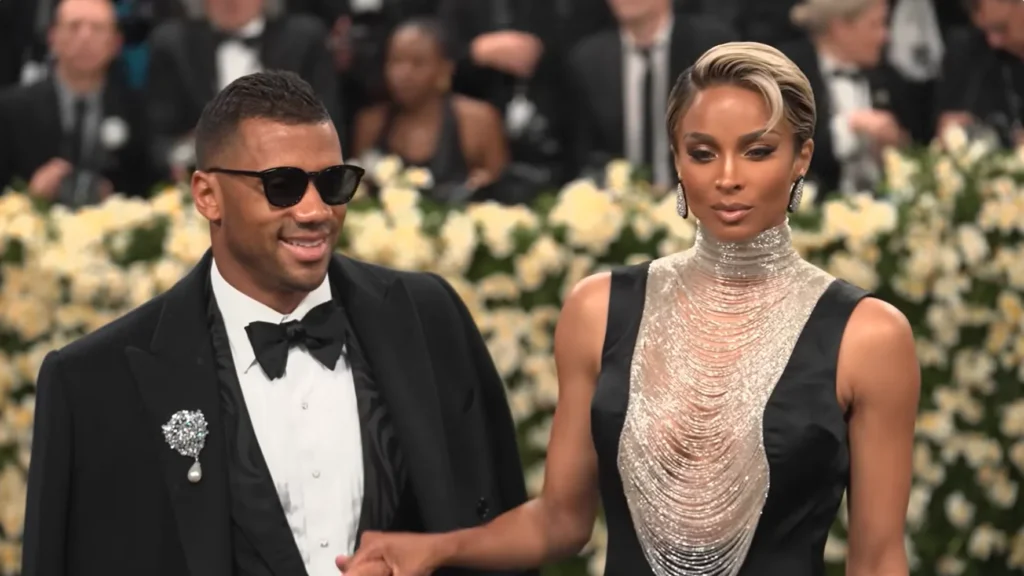
The 2026 Gala raised a record $42 million. Individual tickets hit $100,000. Lead sponsors were Jeff Bezos and Lauren Sánchez Bezos, with tables purchased by Amazon, Meta, OpenAI, and Snapchat. The room that once belonged exclusively to fashion now belongs to whoever can afford $350,000 per table.
This is fashion’s existential tension: as tech capital flows in, creative independence faces pressure. The dresses get more expensive. The stakes get higher. The space for risk gets smaller.
What it means.
“Fashion is Art” wasn’t answered definitively on May 4th. But the answers that did emerge—craft transparency, independent ambition, heritage-driven design, body politics, tech economics—sketch the outline of where luxury fashion is heading.
Not toward a single direction. Toward fragmentation. Toward a future where fashion’s identity is plural, contested, and perpetually unresolved.
Which might be the most artistic thing about it.